
Solar Panel Lifespan: How Long Will a Solar Project Last
 Topic: how long do solar panels last Topic: how long do solar panels last |  Read Time: 6 mins Read Time: 6 mins |
 Landowner type: Landowner type:Independent landowners | Institutional landowners |  Energy: Solar Energy: Solar |
 24th May 2024
If you’re a landowner looking to host a project on your land, you might be wondering what the average solar panel lifespan is. After all, you’ll want to rake in passive income for as long as possible and that’s largely down to how these panels hold up over time.
Most solar panel manufacturers will outline an expected lifespan for their products that you can rely on with relative certainty.
But, realistically, it’s hard to tell precisely how long the average panel will last. Before you can get an accurate figure, you need to consider everything from panel types and weather factors to long-term irradiation damage.
To help you out, I’ve pulled together an in-depth guide on average solar panel lifespans (and how you can extend them). I’ll even give you a quick rundown on the types of solar panels available and which option wins out on longevity.
How Long Do Solar Panels Last?
Solar panels usually last for more than 25 years, and many manufacturers offer warranties of 25 to 30 years. With proper panel maintenance and care, monocrystalline panels can last as long as 35 years.
Technically, the panels continue to work after their expected lifespan. However, they slow down considerably and produce electricity at a lower rate. While you might tolerate this on residential properties, the lower efficiency over time means they’re no longer viable for large-scale projects chasing profit.
So, while it’s uncommon for a solar panel to stop producing energy completely, the degradation rate may be significant enough that your developer will need to replace the panels entirely. As this degradation is a natural consequence of sunlight exposure, it’s something that every project will need to tackle during its lifetime.
Which panels last the longest?
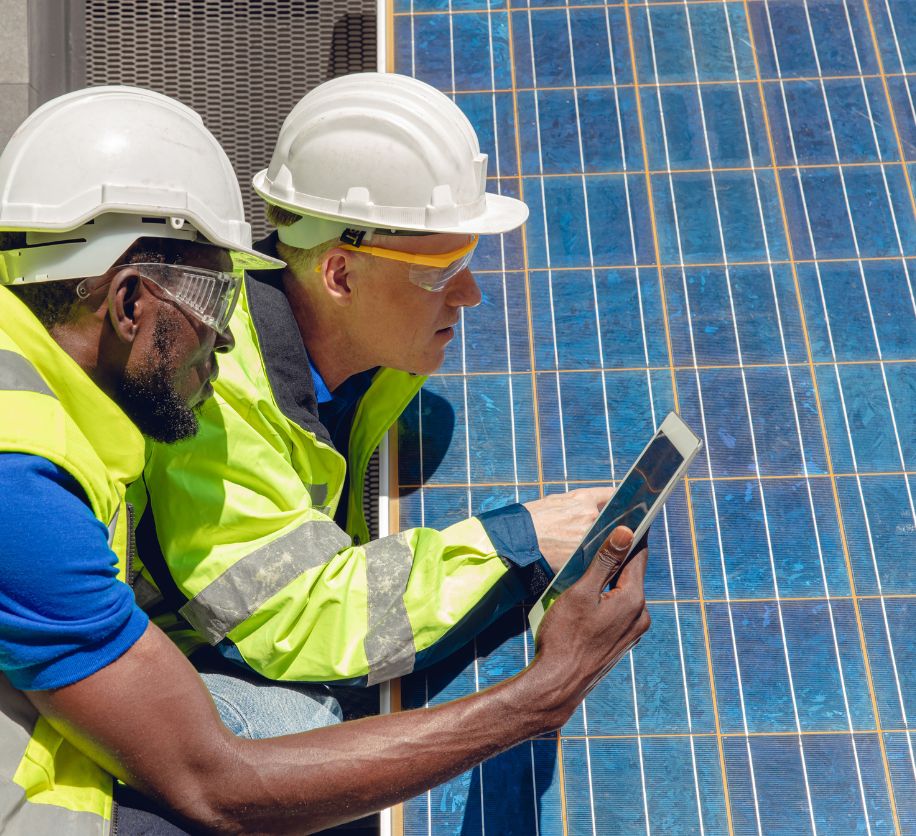
As a rule, monocrystalline panels tend to last longer than polycrystalline panels. That’s because monocrystalline panels are made up of single silicon sheets, while polycrystalline panels are made of multiple silicon crystals. The fragmented layout of polycrystalline panels means they have more failure points that might crop up during their lifetime.
Solar panels usually reach a breakeven point around six to ten years after installation for domestic properties.
For large-scale projects, the average ROI is between 10 and 20 per cent. If the panels produce energy at a high level for the project’s lifetime, you can make a considerable amount once the initial investment is paid off.
What Affects How Long a Solar Panel Lasts?
While solar panels don’t usually stop working at the end of their usable life, they seriously decline in efficiency. This can be down to everything from mechanical stress on the materials to humidity, weather damage and long-term exposure to strong sunlight.
This gradual loss in efficiency usually occurs at around 0.5 per cent a year. So, if we take 25 years as the average usable length of solar farm panels, they’ll be operating at around 87.5 per cent of their original capacity.
Although you can’t really avoid this degradation, let’s examine the factors that can affect solar panel lifespan.
Solar panel type
One of the biggest factors affecting solar panel lifespan is the type of solar panel chosen for a project.
Just for a bit of context, the three main types of solar panels used in projects across the UK are:
- Monocrystalline
- Polycrystalline
- Thin-film
Although other types of solar panels are available, they are typically not durable or efficient enough for most large-scale sites.
Monocrystalline is the most common panel type that developers choose for solar farms. However, some developers will choose cheaper polycrystalline panels depending on their cost-benefit analysis.
Occasionally, purchasing more polycrystalline panels (to reach the expected efficiency of a smaller number of monocrystalline panels) is more cost-effective. However, monocrystalline panels always have the upper hand when it comes to longevity.

While both types of panels typically come with a 25-year warranty at minimum, monocrystalline panels can remain efficient for up to 40 years. Polycrystalline panels can push to 35 years, but they’re typically at the end of their operational life before this stage.
So it’s worth considering these factors before settling on the solar panels for your project.
Age and weather
We’ve touched on this point throughout the article, but age-related degradation is a serious consideration for any solar panel.
You’ll expose your solar panels to many external factors during a project’s life, including:
- Humidity
- Strong winds
- Snow
- Sleet
- Hail
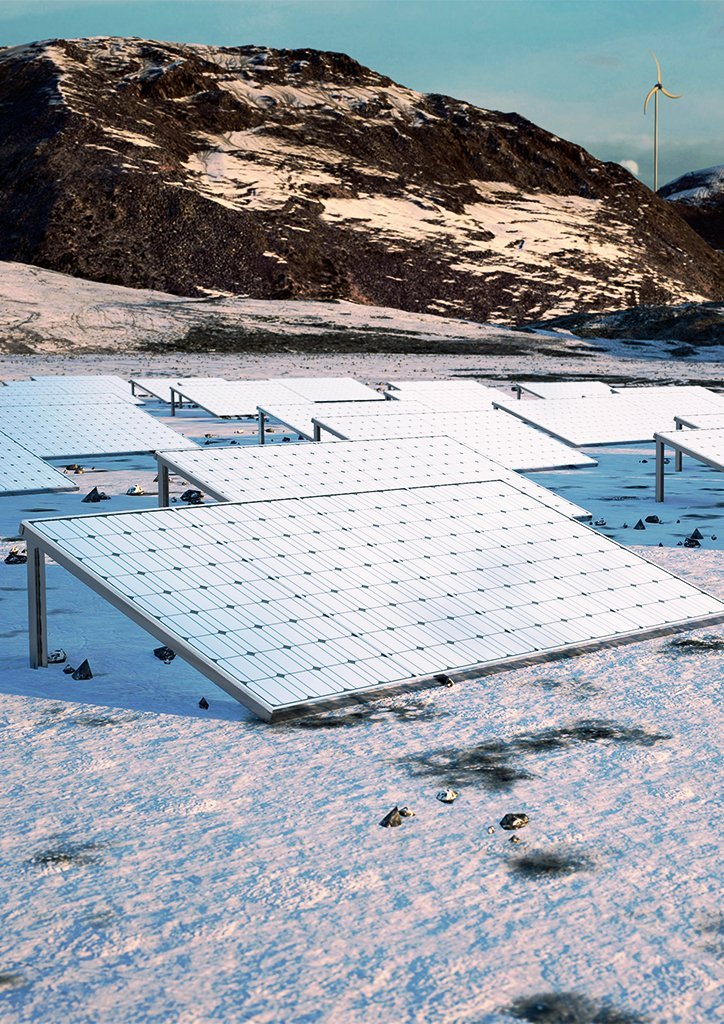
Snow, sleet and hail have the potential to seriously damage the glass covering the silicon panels. However, snow can also prevent sunshine from reaching the panels (unless cleaned and maintained regularly).
Aside from apparent damage from fast-moving hail, the weather factors above can also lead to frame corrosion. This causes the crystalline silicon inside the panels to harden over time, affecting sunlight absorption.
Light
It might sound bizarre (considering solar panels are naturally exposed to light), but sunlight can make the panels degrade.
This only happens at an extreme rate when the solar panels are first exposed to sunlight – so, when they’re first set up.
High voltage and high temperatures
Heat and voltage can also shorten a solar panel’s average lifespan.
When you expose solar panels to high temperatures, potential-induced panel degradation occurs. This process happens when there’s a high potential difference between the semiconductor material (AKA: silicon in the cell) and the glass frame.
During this degradation process, negative ions flow from the aluminium frame and positive ions head to the cell’s surface. These degrade the cell and reduce its photovoltaic effect. The loss of power can be significant, and the effects become even more noticeable if the loss continues for several years.
How Can You Make Panels Last Longer?
Now let’s discuss how you can prolong a solar panel’s lifespan.
Look after them
One of the main ways to boost your solar panel’s lifespan is by maintaining them and checking for any chips or cracks in the glass.
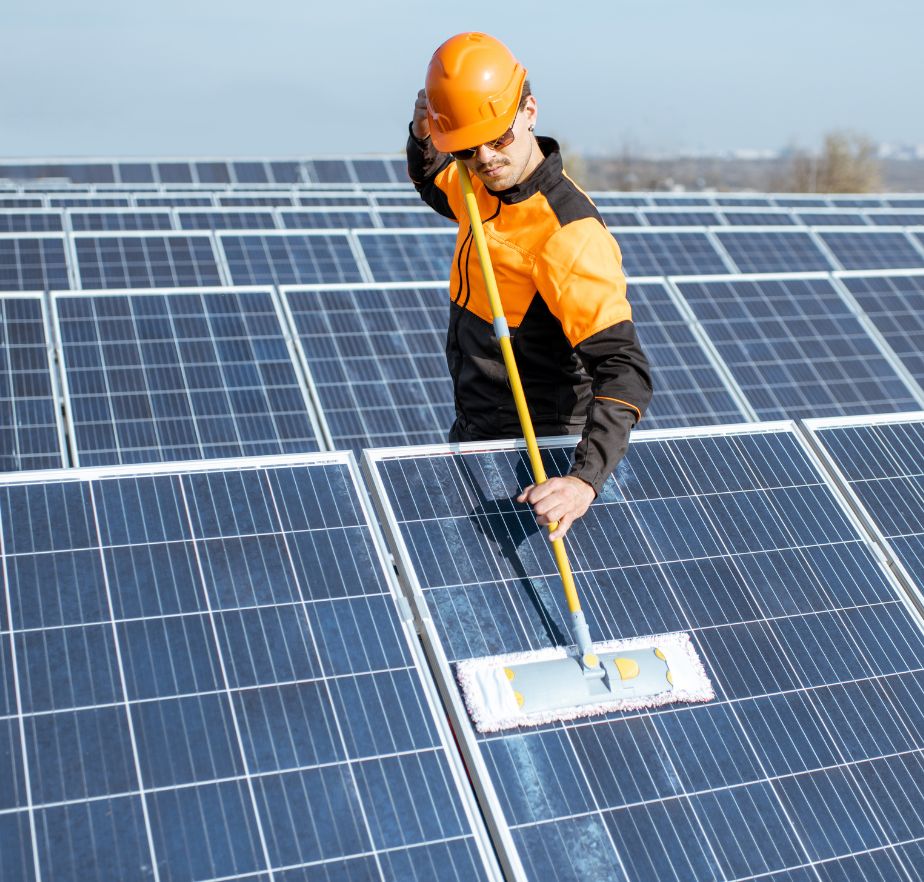
If you don’t carry out regular solar panel maintenance, you’re more likely to miss underlying issues that could reduce the lifespan of your panels. If nothing else, panels need adequate cleaning to keep them as efficient and productive as possible.
You’ll need to check for the buildup of dust, leaves, pollen and bird droppings. Any of these obstructions can reduce your solar farm’s efficiency because they cover the glass that protects the silicon sheets.
If you notice your panels’ performance has dipped, you can hire a professional cleaner. But you can also carry out regular checks and trim back vegetation that may be shading them. This can include any low-hanging branches that might physically damage the panels themselves.
It’s also always worth sweeping your site after any extreme weather. Storm damage can seriously impact your site’s profitability and shorten the lifespan of even the hardiest panels.
Install them properly
It probably goes without saying, but properly installed solar panels have a serious boost in life expectancy.
You’ll first want to check how the solar panel system is installed. Correct racking can prolong the lifespan of your panels as it reduces the chance of slipping, damage or obstructions that might damage the glass.
Check inputs carefully
While you’ll want to clean and install your panels carefully, the average solar farm consists of more than just panels. So, it’s essential to check the panel outputs and meters regularly. This is usually done by the inverters themselves or through a dedicated monitoring system.
If the output is registering significantly less than expected for that time of year, you’ll want to find out why that is – and fast. But if you can pinpoint the problem, you can get your panels fixed and increase their expected lifespan without losing much income in the process.
Final Thoughts
A lot goes into determining the solar panel lifespan across a site. From monitoring and regular cleaning to weather considerations and panel types, the sheer number of potential factors makes it hard to know precisely how long a panel will last.
However, you can usually rest assured that most panels will last for upwards of 25 years, giving you plenty of time to reap the rewards of leasing your land. And if the panels do degrade to the point of replacement, your developer will bear the brunt of that cost.
If you want to install a solar project on your land, get in touch. We can confidently guide you through the process, help you secure the best deal possible on your lease agreement and give you a hassle-free introduction to renewable energy.

Check Your Chances of Getting Solar Planning Permission
Use our free Solar Farm Planning Permission Checker to see how likely your land is to get planning approval — quick, simple, and no obligation.


