
Disadvantages of Wind Turbines: Do They Impact Land?
 Topic: disadvantages of wind turbines Topic: disadvantages of wind turbines |  Read Time: 8 mins Read Time: 8 mins |
 Landowner type: Landowner type:Independent landowners | Institutional landowners | Professional advisers |  Energy: Onshore wind Energy: Onshore wind |
 5th August 2024
Are you looking for an overview of the disadvantages of wind turbines? Join me as I explore the potential downsides of hosting turbines on your land (and how to avoid them).
If you have land suitable for a wind farm, you might be considering hosting wind turbines to maximise your income.
But if you’re unsure about the potential disadvantages, I’m here to help.
In this detailed guide, I’ll cover the main drawbacks of hosting wind turbines and offer insights into how you can navigate them.
From access roads encroaching on arable land to wildlife impacts, I’ll cover everything you need to know.

The Main Disadvantages of Wind Turbines
Although I’m a staunch supporter of wind energy, I understand that there are a few drawbacks involved.
From impacted farmland and planning permission struggles to potential damage to wildlife and soil, there’s a lot to think about.
So, join me as I walk you through the disadvantages of wind turbines, so you can weigh them up before committing to a project.
1. Impact on the land
For landowners, one of the primary disadvantages of wind turbines is the impact on the land itself.
However, the impact on the land with modern wind turbines is relatively minimal for most projects.
But if you’d like to discuss specifics with a developer or site operator before signing an option agreement, these are the main things to consider:
Access roads and maintenance
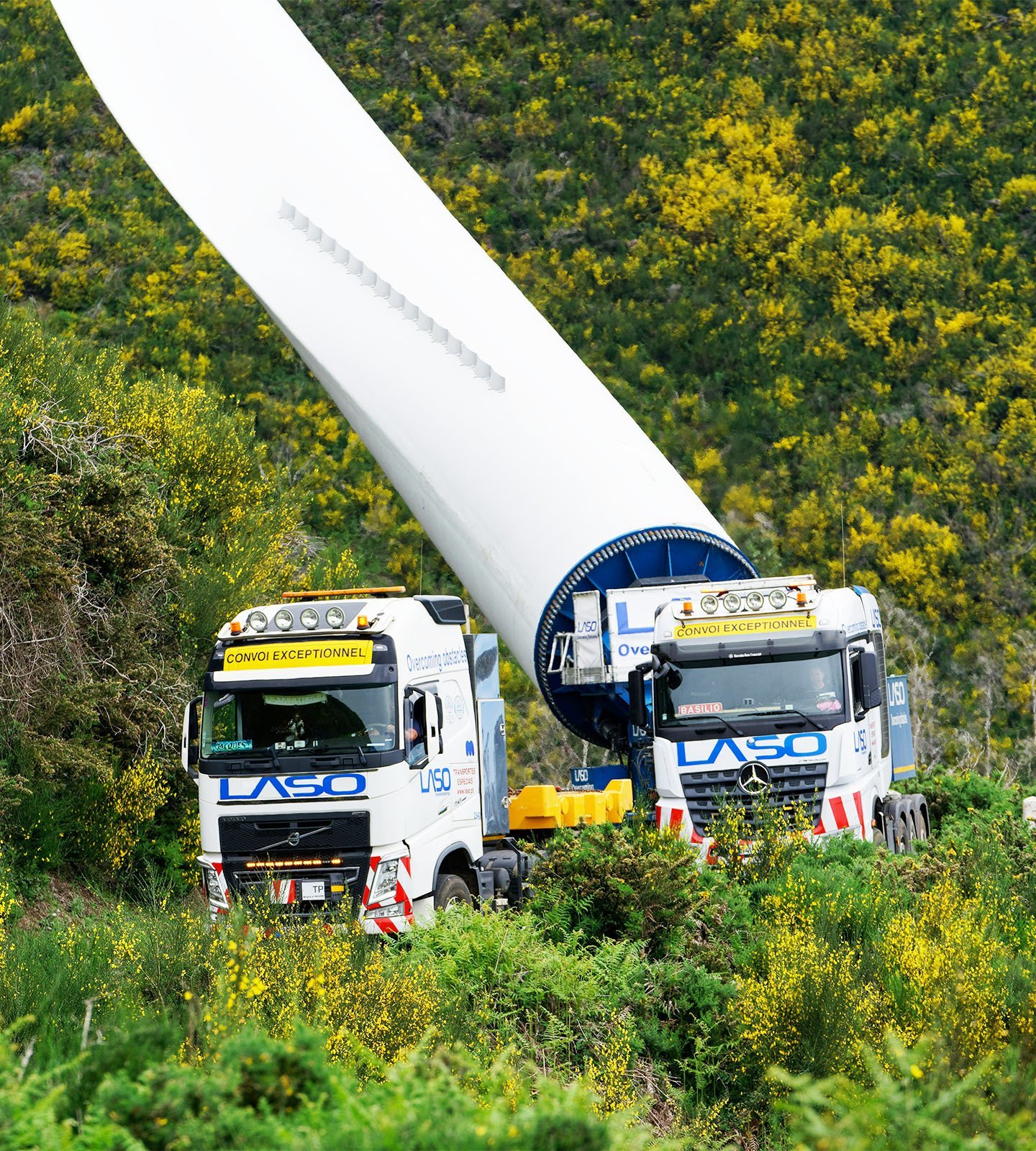
Access roads are the first thing that will affect your land if you’re trying to get wind turbines up and running.
Landowners won’t typically be involved with digging and maintaining these as they’re typically outsourced to a construction firm.
However, it’s worth mentioning that these access roads will take up space and potentially encroach on arable land.
They may not be a permanent fixture (at least not in their entirety), but they can be quite intrusive during the construction phase.
This isn’t to say that landowners won’t be able to carry out their usual activities while turbines are built. But with access roads comes the presence of large construction vehicles, ground cable layers and turbine builders.
So, you should prepare for some disruption to your private land and day-to-day operations while the turbine build is completed.

The length of time that access roads take to build largely depends on their size. For example, longer access roads will naturally take longer to construct.
However, the actual construction time for a wind farm is surprisingly short, with most projects being completed within two to six months.
Once a wind farm is fully functional, your site operator will perform regular maintenance checks.
Keeping the turbines fully functional and efficient is in your best interest as a landowner, and these checks are rarely disruptive.
But if you want to minimise any project downtime, it’s always worth keeping an eye on the turbines and reporting any issues to your project developer as they arise.
Arable space
One of the major disadvantages of wind turbines that landowners tend to worry about is losing arable space.
But in my experience, the impact on arable land is usually temporary and relatively negligible.
As I’ve mentioned, the building of access roads isn’t permanent. Plus, studies even show that the turbines on your land churning air may improve crop yields.
According to National Geographic:

“In traditional agriculture in many places, farmers grow trees along the edges of fields, a technique that slows the wind and stirs up the air, benefiting the crops in the field.”
One major benefit is that wind turbines reduce dew on crops, which can help prevent crop diseases.
But that’s not all.
Turbines actively mixing the air around crops can also increase CO2 levels, which in turn can boost ideal growing conditions for certain crops.
This won’t necessarily benefit every landowner, as it’s primarily applicable to farming yields. However, it’s certainly a worthy counter-argument when discussing the disadvantages of wind turbines.
Wildlife
From collisions to nesting disruptions and habitat displacement, wind farms can certainly have negative impacts on wildlife.
Migratory birds and bats are particularly vulnerable, as they may collide with turbine blades.
Plus, turbines can cause birds to relocate, disrupting breeding and nesting patterns.
There’s also evidence that the noise pollution from turbines can be detrimental to wildlife and drive local animals from their habitats.
That said, the overall impact on bird populations is debated. Collision mortality of songbirds is said to be under 0.01 per cent in the UK, while North American figures estimate between 140,000 and 679,000 birds are killed by turbines every single year.
However, studies also show that birds adjust their flight patterns to avoid turbines, with movement adaptions observed from approximately 120 metres away.
Ultimately, while wind farms can pose risks to wildlife, studies suggest that many species learn to navigate around them, highlighting both sides of the debate.
Impacts on soil
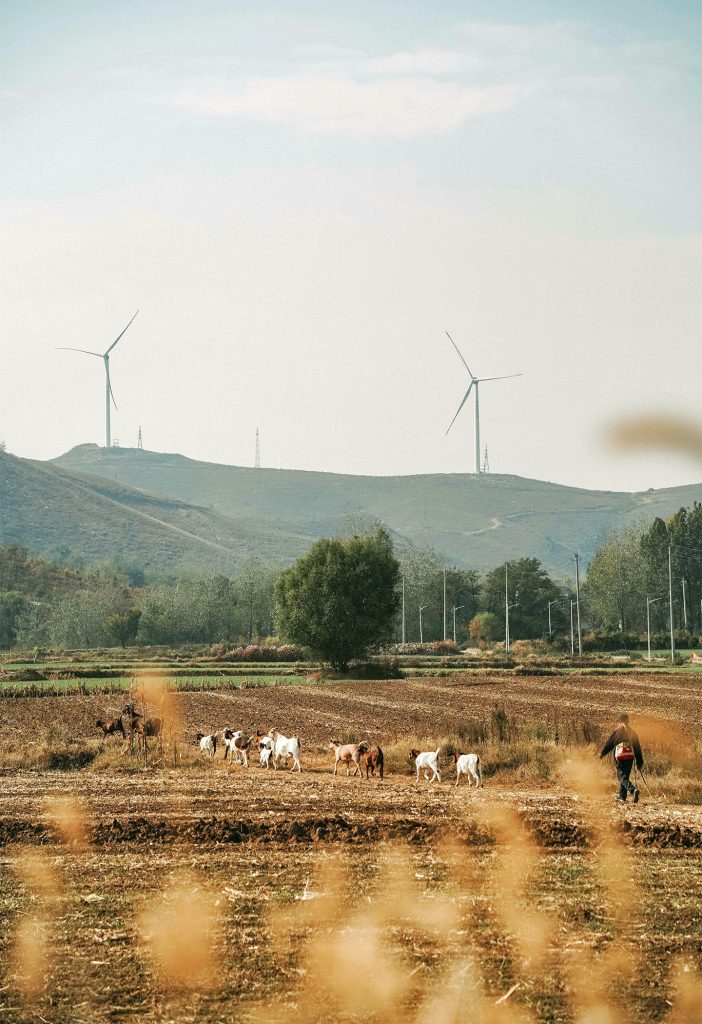
Another potential disadvantage of wind turbines is that they can potentially dry out soil.
Studies show that turbines can lead to a slight reduction in soil moisture levels – around 4.4 per cent on average. This may have a slight impact on arable land, but with the UK’s decent level of rainfall, this should be replenished.
Aside from moisture depletion, there’s also a risk of soil disturbance and a decline in organic carbon. Less organic carbon typically means less food for living organisms in the soil, which reduces biodiversity.
While degraded soils are a consideration, the effects are typically small and manageable, particularly in regions with adequate rainfall and good land management practices.
2. Planning permission woes
Historically, one of the main disadvantages of wind turbines used to be securing planning permission for new projects. Not only did projects need to be almost unanimously approved by local authorities, but local communities could also object, causing local authorities to reject entire proposals.
Although landowners wouldn’t have had major involvement with a project in the planning stages, delays could seriously impact development. For example, if you had signed an option agreement but then faced a five-year planning delay, the project could stall or even fall through, potentially requiring you to extend your initial option agreement.
It’s no secret that planning permission improvements seemed like a relative pipe dream under the Conservatives. However, Labour has already made huge strides since the July 2024 election by removing the de facto ban on new wind projects.
One of their key changes has been removing the two restrictive footnotes from the National Planning Policy Framework (NPPF), which had previously hindered development.
This is part of a broader net-zero-related plan to move authority on planning decisions from local councils and communities to the national level.
By giving current Energy Secretary Ed Miliband the authority to green-light large-scale wind proposals, we should see a positive step forward for clean energy.
3. Intermittent output
There’s no denying that wind is an excellent renewable energy source. But you simply can’t rely on wind turbines to supply a continuous amount of electricity year-round.
Everything from seasonal changes to disruptions caused by buildings and temporary structures can impact output.
This isn’t to say that wind turbines aren’t efficient sources of clean energy, but their output across an average year can be relatively difficult to predict.
Some regions are naturally more reliable than others. For example, Scotland’s higher altitude areas and generally better wind speeds will naturally produce more energy than the English countryside.
That said, not every Scottish site will outperform its English counterpart – it depends on local conditions.
If you’re considering installing turbines on your land, understanding their potential output is crucial.
To reduce uncertainty, I always advise landowners to carefully consider working with an experienced developer.
A developer with a decent track record should be able to scout suitable sites, maximise output and secure the most favourable electricity prices.
4. Aesthetics
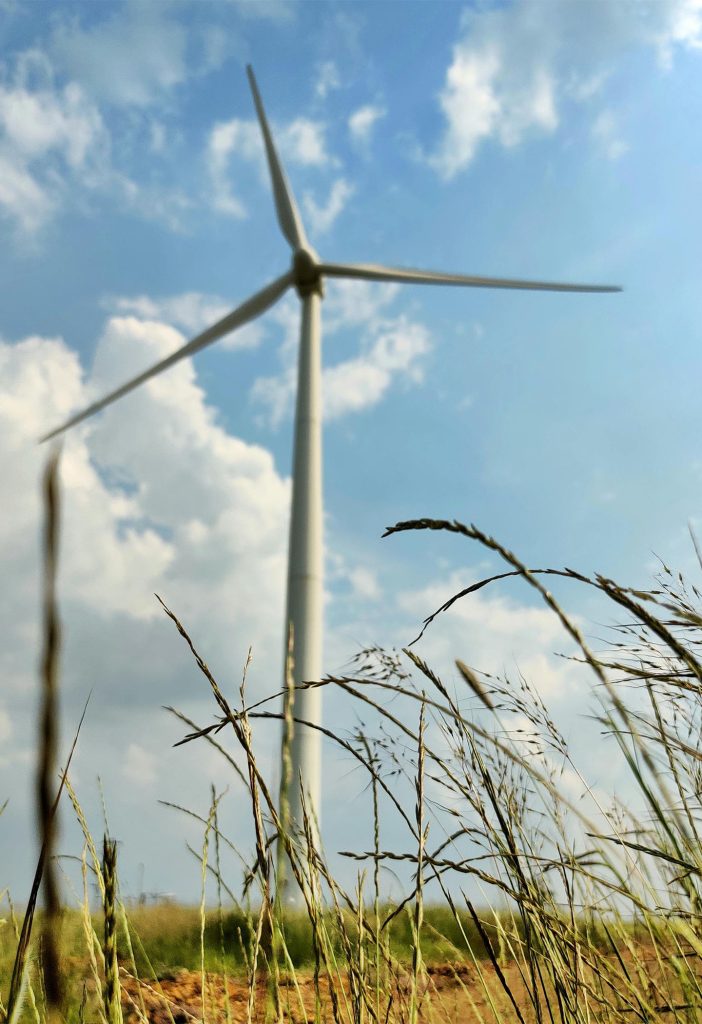
Opinions on wind turbines have changed significantly over the years, but some still see them as an eyesore.
And although studies have largely disproved this, there is a common belief that wind turbines can devalue the land they’re placed on.
I’m pleased to say that turbines don’t devalue the land they’re placed on – in fact, they can significantly increase it when you factor in the additional boost in income.
5. Opportunity cost
Before putting turbines on your land, you’ll need to take into account the opportunity costs relating to several factors.
These include (but aren’t limited to):
- Potential lost revenue from arable land while developers construct the turbines
- Lost revenue from the building of access roads (these can occasionally block viable farmland)
- Being unable to use reserved land for other purposes while an active option agreement is in place
While none of these factors are deal-breakers, they’re important to weigh up.
Construction phases are typically shorter than you’d expect, but occasional supply chain issues can cause delays.
So, it’s always worth keeping in touch with your developer throughout the process to manage your expectations.
They’re expensive to set up
Unless you’re a landowner-developer funding your own project, the costs of wind turbines won’t directly affect you.
However, it’s worth noting one of the main drawbacks – startup costs.
Wind turbines cost a lot of money to set up, and that’s especially true if you’re building large 3.5 MW ones. These can cost upwards of £3.13 million to build.
Plus, these large turbines also come with sizable maintenance costs.
This can be as much as £175,000 for the average 3.5 MW turbine.
For landowners, the biggest financial consideration is the option agreement period. Since you’ll typically only receive an upfront payment while waiting for the project to move forward, reserving your land for a potential wind farm can have its own costs.
7. Decommissioning
To wrap up this rundown of the main disadvantages of wind turbines, let’s talk about decommissioning.
Although developers are usually responsible for decommissioning turbines at the end of a project, landowners are technically responsible for restoring land to its original state.
If decommissioning responsibilities aren’t clearly outlined in the lease, this can become a major headache.
Most landowners ensure decommissioning is accounted for in their lease agreements, but if it’s overlooked, the financial and logistical burden could fall on you. To avoid this, it’s crucial to have a watertight lease that includes a decommissioning fund provision.
Who Is Responsible for the Cost of Damage to the Land?
As I’ve mentioned, decommissioning is technically a legal responsibility that falls on the landowner.
However, in practice, landowners rarely handle the decommissioning process themselves.
That’s because well-drafted lease agreements will typically include clauses requiring developers to pay the costs.
I strongly believe that lending your land to a renewable energy project shouldn’t result in a costly removal process.
To protect yourself legally, make sure your lease includes clear decommissioning instructions.
If you’re planning a wind farm extension (or want to repower), the same rules apply.
Final Thoughts
If you’re considering a new wind farm project on your land, it’s always best to weigh up the pros and cons.
In my experience, the disadvantages of wind turbines are usually far outweighed by the benefits.
While the impact on arable land is something you’ll want to consider, it’s typically minimal.
And if you’re willing to secure an excellent payment arrangement and a reliable option agreement, the steady income stream will more than compensate for any drawbacks.
If you want more advice about choosing developers or getting turbines on your land, feel free to get in touch.
Our expert team will offer you jargon-free advice that’ll help you maximise your potential site’s income.


