
The Winds of Change: The 2024 Labour Wind Farm Announcement
 Topic: labour energy policy Topic: labour energy policy |  Read Time: 4 mins Read Time: 4 mins |
 Landowner type: Landowner type:Independent landowners | Institutional landowners | Professional advisers | Site Operator |  Energy: Onshore wind Energy: Onshore wind |
 14th August 2024
Having worked in the renewable energy and accounting sectors for over a decade, I have found the UK’s steps toward net zero to be extremely slow in recent years.
From David Cameron’s tightening of the National Planning Policy Framework (NPPF), which effectively placed a de-facto ban on new onshore wind farms, to Conservative U-turns in the 2023 leadership race, wind energy has faced reams of red tape at almost every turn.
Now, as a staunch believer in the power of clean energy and its economic potential for the country’s developers and landowners, I’ve been patiently waiting for change. And with the Labour party stepping into government, it appears we’re on the verge of a positive breakthrough – and it’s happening remarkably quickly.
What Is This Change I’m Talking About?
Within days of coming to power after the July 2024 UK General Election, Chancellor Rachel Reeves announced that Labour would take large-scale planning decisions at a national level.
This decision aims to streamline the process for wind power projects by removing the need for local councils to designate suitable areas. But it also seeks to prevent local communities from blocking new wind farms for virtually any reason whatsoever.
In my opinion, this decision will significantly increase the number of wind farms built in the UK in the coming years, hopefully bringing the country’s progress in line with that of its European neighbours.
To give you some context on how far behind we are, let’s take a closer look at France.
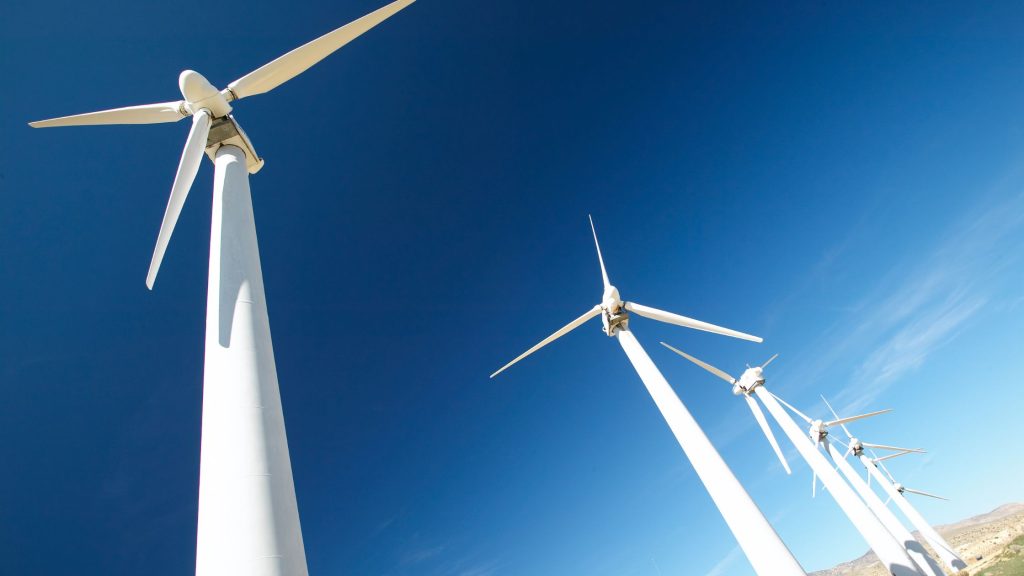
While France added 1.2 gigawatt (GW) of installed capacity (approximately 80 new wind farms) in a single year, most of England’s 3 GW wind capacity growth came from offshore wind farms in 2022.
And with local authorities approving just 16 wind farms between 2016 and 2020, it’s easy to see the negative impact of previous planning guidelines in action across the country.
How Quickly Will Change Come About?
New wind farms aren’t likely to start popping up immediately after this announcement, because legal documents and official legislation need to be amended, which naturally takes time.
Meaningful changes to planning policy are expected to happen after the summer when Parliament reconvenes and officially changes the NPFF. However, the Labour wind farm announcement certainly gives developers the green light to get projects moving along, start conducting searches and set planning applications in motion.
Equally, projects that may have stalled under previous guidelines should now have a far easier time reapplying for planning permission.
So, not only can developers revive rejected projects for reconsideration, but they’re likely to be looked at far more favourably at their advanced stage. While developers may need to make tweaks to their planning applications, there’s no need to return to the drawing board.
Considering all this, the future looks far brighter for landowners looking to make additional income from leasing their land. That’s mainly because this policy change marks a radical change for the UK in its move to boost the economy.
But What About Pressure on the National Grid?
If you’ve been thinking of building a wind farm, news of the changes to planning permission will probably come as a huge relief. But you might be asking – well, what about the growing pressure on the National Grid?
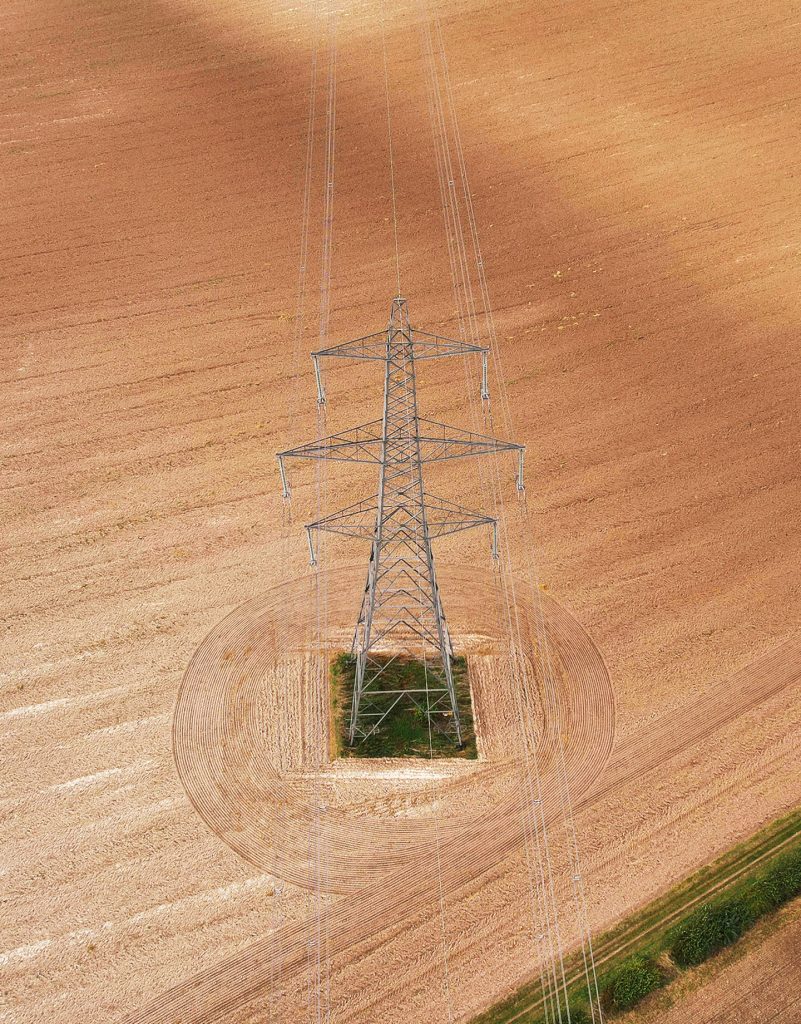
While you might assume that the National Grid’s backlog would worsen with increased applications for new wind farms, I don’t think this will be the case in the long run. Previously, some developers would mass-apply for grid connections while waiting for local authorities to approve the planning application for their projects.
With the planning process set to become far more achievable, these projects should be able to move forward. As new wind farms apply for grid connections, National Grid and other network operators will also be forced to modernise their system more quickly – a win-win for new wind farms.
What Does The Labour Wind Farm Announcement Mean for Renewable Energy in the UK?
From my perspective, this is a monumental step forward for renewable energy in the UK. While it’s impressive that 43 per cent of the UK’s energy already comes from renewables, an increase in new wind farms is set to boost this significantly in the next decade.
And with Labour pledging to double onshore wind capacity by 2030, they appear to mean business.
Removing blockages in the planning system by bringing cases to the national level is a sensible idea, but Labour could and should go even further.
Increase financing of new wind farms
To fully support new projects, Labour could reintroduce subsidies that would help developers fund wind farms or offer Contracts for Difference (CfDs) to all new wind farm developments.
The Renewables Obligations Certificate (ROC) scheme is now closed, and most projects will lose their subsidies by 2027. As this is a large source of income for wind farms, building a new wind farm is not quite as lucrative a venture as it used to be.
If the government can bolster the financing of new wind farms, developers will be more likely to put in the time, effort and financial outlay required to boost the country’s renewable energy assets.
This isn’t to say that Labour won’t introduce a degree of funding for new wind farms down the line. However, I’m eager to see an equally game-changing announcement that addresses the financing of new wind farms in a meaningful way.
So while Labour’s announcements have earned a big thumbs up from the renewables industry, I believe more can be done. Let’s wait and see what else Labour has in store – I, for one, am extremely optimistic.
Thinking of Installing Wind Turbines on Your Land?
You may want to know how to get the best rental income and what the commercial terms are when leasing to a wind farm developer. Because you should be paid fairly for it – especially if your land is set to become highly in demand.
While you can go it alone, here at Lumify Energy we’re well-equipped to advise you on how much income you could earn and can connect you with the right people from our extensive database of hundreds of wind farm developers who are keen to build new wind farms.
Ready to get started? Get in touch.


